Black Box Thinking
by Matthew Syed
Summary:
In this emotional yet enlightening book, Matthew Syed dives deeply in to many famous high (and low) performing teams and organisations to draw out key lessons for the reader as to main reasons for their success (or failure).
This book is by far one of my favourites!
Key take-aways:
- Solutions to problems are often much simpler than you may initially think
- Some problems are systemic and remain in place because of our emotions
- Facing up to the facts in front of you rather than listening to emotions is what you need if you are going to improve
- Small changes compound to much larger changes and are much easier to put in place and maintain.

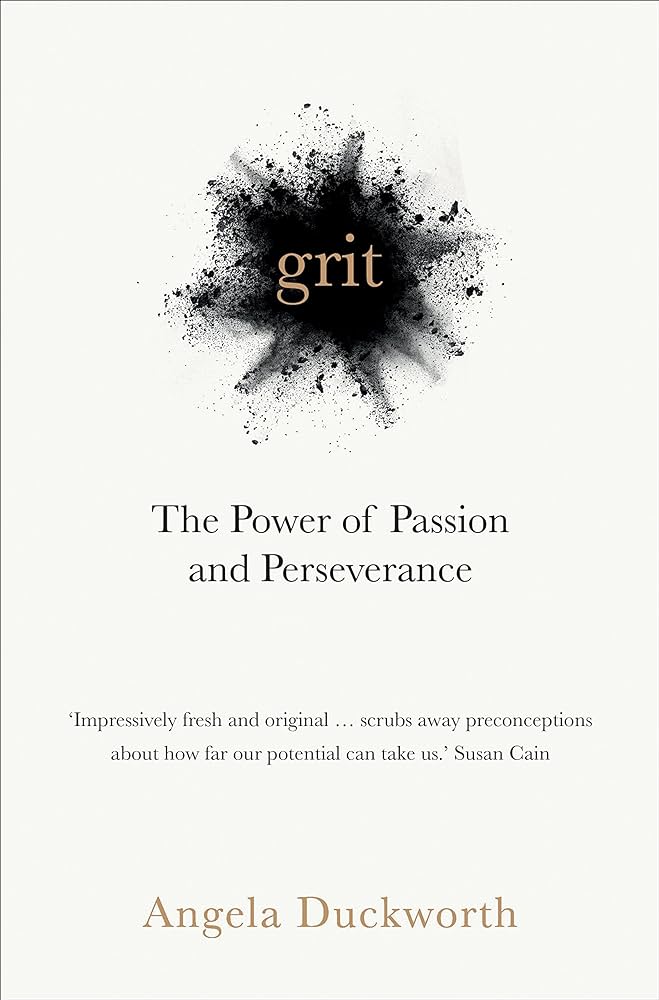
Grit
By Angela Duckworth
Summary:
It turns out that having “innate abilities” matters less in the real world than it is to have a mix of passion and perseverance (Grit). Angela dives in to what makes some people more “gritty” than others and shares some great stories from her research that highlight just how far you can get on grit and also how to develop it in yourself and those around you.
Key take-aways:
- Passion and perseverance matter more and will get your further than “innate abilities”
- “Natural talent” is overrated
- We rarely (if ever) see the hard work that goes on behind the scenes which results from grit and that develops skill through failure and learning
- Grit can be developed, like any other skill
Make Your Bed
William H. McRaven
Summary:
William H McRaven gave the commencement speech at the 2014 graduation ceremony for the University of Austin, Texas that has now been watched over 50M times on Youtube. This book is an extension of that speech, each story and lesson has been elaborated on to give more context as to where it came from.
Key take-aways:
- Sometimes life is unfair but you have to accept and get on with it
- Starting the day with a task completed makes every day a win
- Face up to your fears and you will grow

Who Moved My Cheese?
By Dr Spencer Johnson
Summary:
Change is a constant part of life and your mindset around it can severely affect your perception of change and how you adapt to it.
This short book illustrates the 4 differing approaches to change as 4 distinct characters. The characters are situated in a maze and their approach to change significantly affects how they each fare.
Key take-aways:
- Don’t get too attached to the status quo
- Always be aware that things can change (and change quickly) and be ready for it
- Be brave and face your fears in the face of change

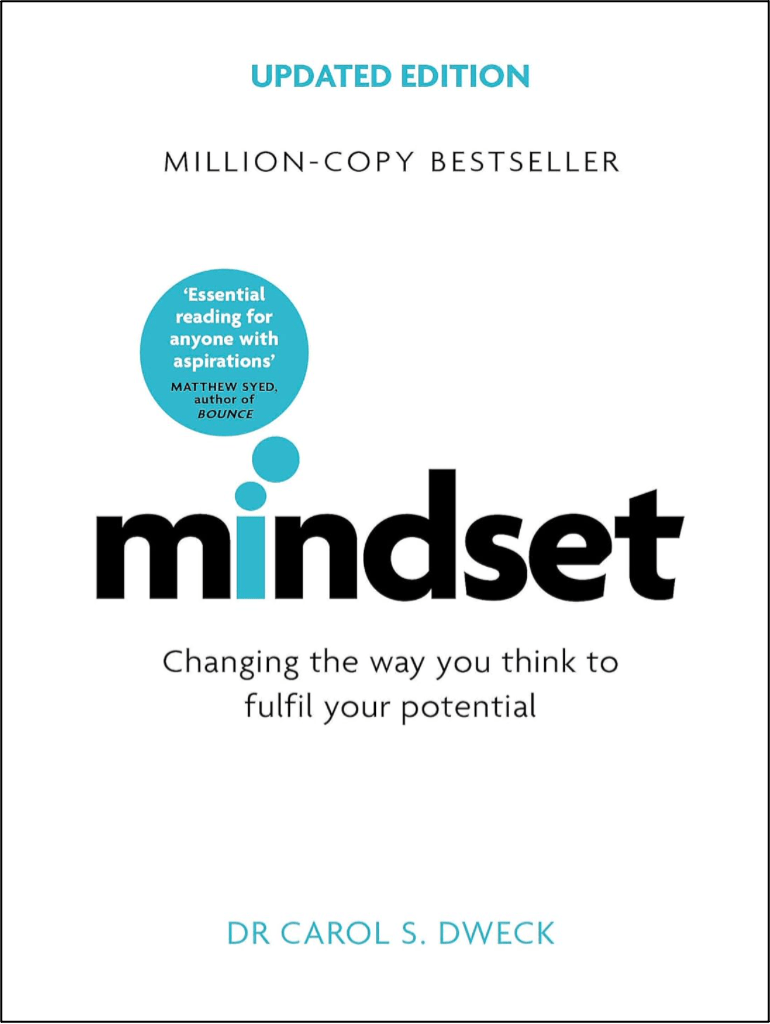
Mindset
By Dr Carol Dweck
Summary:
We are all ultimately slaves of our mindset and whether we have a growth or a static mindset significantly affects how we fare in life overall.
The growth mindset will drive you to let go of the notion that your success is pre-determined by innate abilities, and that although we may find some things harder to do than others, we can all ultimately grow and improve through learning and perseverance.
Key take-aways:
- How we interact with each other as parents, children, friends, colleagues, students etc all impacts whether they have a predominant growth or fixed mindset
- A growth mindset can be taught, like any other skill
- Comparison can hinder your self-belief, and we should be encouraged and rewarded for trying and doing our best as that promotes further learning and growth
Hidden Potential
By Adam Grant
Summary:
Potential is defined as latent qualities or abilities that may be developed and lead to future success or usefulness. Whether a person or a team develops that potential is down to many factors, some of which are within our personal control and some of which are within someone else’s control.
This highly educative book describes elements that affect our ability to realise our potential ranging from our personal mindset to the mindset of our peers to the prevailing culture of an organisation or country and highlights ways in which we can further develop both our own potential and the potential of others.
Key take-aways:
- As individuals, we need to focus on the elements of developing our potential that are within our control
- As teams, companies, leaders and societies, we must build a world which enables the development of potential
- The most successful teams are not those with the smartest people, but those whose members are highly pro-social (work for the benefit of the team rather than themselves)
- Ways to enable individuals and teams to reach their potential
- Some kick-ass interview techniques to help find diamonds in the rough

 Alex Devereux